
The world is moving, fast, and so is business. Being able to make sales and manage transactions from more places is not only convenient, it’s also empowering. Learn how accepting payments on the go helps you meet customer expectations.
5 sustainability trends small businesses should watch in 2025
Discover how sustainability in business is evolving to meet customer, compliance and productivity needs. From greenwashing crackdowns to climate reporting.
03 March 2025 · 6 minute read
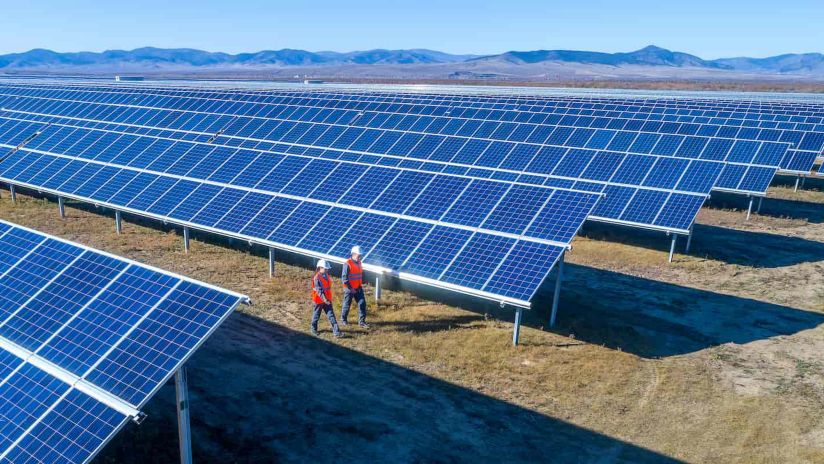
Why sustainability in business matters more than ever
Sustainability is far from a buzzword today. It’s not just about meeting environmental goals. It’s also about responding to customer demand for sustainable business practices and products.
Understanding how customer and government expectations are evolving could be key to your future competitive advantage. Taking a strategic approach to sustainability can help you be prepared and take advantage of opportunities while managing risks.
5 sustainability trends shaping small business in 2025
Let’s unpack five key sustainability industry trends we expect to evolve in 2025 and beyond.
1. Customer focus on supply chain sustainability
Whether your customers are consumers, other businesses or government bodies, supply chain sustainability is a factor you’ll want to consider in how you meet their future needs.
Consumers are switched on to sustainability
Sustainability remains an important value for consumers, despite cost-of-living pressures. In fact, research suggests consumers are becoming savvier when deciding if a product or brand is sustainable.
Business buyers are interested in supply chain sustainability
More companies are expecting suppliers to report their carbon footprint, and what they’re doing to reduce it. Many businesses also want suppliers to help them understand how their products or services can help them achieve their own sustainability goals.
If you’re a smaller business, you may not have been impacted directly by mandatory reporting requirements. But this could change in the future. From January 2025, many large emitters and corporations must declare their climate-related risks and opportunities along with other matters in a ‘Sustainability Report’. The reports are to be published alongside organisations’ annual reports. And the number of organisations covered by mandatory reporting is set to increase from July 2026 and again from July 2027.
What does this mean for your business?
Understanding the sustainability of your business practices and being able to communicate this clearly to customers could help boost your competitive position.
Companies who must comply with mandatory reporting will need to understand emissions from their supply chain. So if you sell into large organisations, you may see mandatory reporting requirements start to flow down to the information you’re asked for during the tender process.
Steps you can take
- Make sure you understand what your customers expect, or may expect in future, when it comes to the sustainability of your products, services or business operations.
- Get ahead by reviewing guidance on the new sustainability reporting requirements.
- Review your sustainability strategy and think about any change you could make to become more sustainable.
- Be ready to communicate your sustainability position, shared values and plans to customers to make it easier for them to buy from you.
- Seek legal advice if you are unsure about any legal or regulatory requirements that may apply to your business. The information in this article is general in nature and does not constitute legal advice.
Learn more about Telstra’s commitment to reducing our emissions
2. Sustainability grants and other funding opportunities are growing
The finance landscape for small, sustainability-focused businesses continues to evolve. There are two forms of finance we expect to see grow in 2025. These are:
- Government grants
- Sustainability-linked loans
Government grants
Many government sustainability grants aim to support the transition to a net zero future.
The Australian Government’s Future Made in Australia policy is one example. It includes grants to help small and medium businesses commercialise their big ideas. Some of the priority areas for grants are renewables, nature action and low emissions technologies.
Another example is the Energy Efficiency Grants for Small and Medium Enterprises program which helped businesses upgrade or replace inefficient equipment and implement other energy efficiency activities.
Learn about other grants your small business may be eligible for
Sustainability-linked loans
Sustainability-linked loans (SLLs) are gaining traction in Australia. They are loans that offer favourable terms if businesses meet specific sustainability targets.
What does this mean for your business?
If you want to scale an idea or opportunity for more sustainable impact, there may be grants or loans that offer better terms than conventional finance.
Steps you can take
- Explore sustainability grants available from state or federal bodies. You can sign up for alerts on current and future Australian grant opportunities at GrantConnect.
- Learn about sustainability-linked loans to consider if they could be a good fit for you.
- Be sure to engage a professional financial advisor to help you decide what’s right for your business. The information in this article is general in nature and does not constitute financial advice.
3. Regulatory action on greenwashing is heightened
Greenwashing is when a business makes misleading claims about its sustainability practices or sets unrealistic targets for its future performance. A business may do this to make themselves look more sustainable than they are.
Greenwashing makes it harder for consumers to see which businesses act sustainably. It can also reduce their confidence in genuine sustainability business practices.
The Australian Consumer and Competition Commission and the Australian Securities and Investments Commission are regulators with powers to act against misleading claims. Both commissions recently said greenwashing is a priority for enforcement activity.
What does this mean for your business?
The increasing regulatory focus on compliance means it’s even more critical businesses are clear and transparent to consumers about sustainability claims.
Steps you can take
- Review your policies and credentials to ensure they support any environmental or sustainability claims you make.
- If you publicise environmental targets or make forward-looking statements, you should set out how you will achieve those targets.
- You can also read the ACCC’s guidance on environmental claims.
- Obtain legal advice to avoid greenwashing risks in relation to environmental or sustainability claims. The information in this article is general in nature and does not constitute legal advice.
4. Sustainability as a driver of business efficiency improvements
More leaders will discover that sustainability initiatives can help make their businesses more efficient. There are a lot of things you can do to achieve more sustainable outcomes while at the same time increasing your business efficiency. For example:
- Harness renewable power sources like rooftop solar to reduce energy costs.
- Redesign packaging or switch to recyclable materials to help cut waste.
We also expect more businesses will use technology to track their operations and identify opportunities for more efficiencies. For example, connected sensors can monitor electricity use or spot water leaks. This can help bring bills down and save valuable resources.
What does this mean for your business?
Sustainable choices can be good for your business and the planet, making them a win/win choice for long-term success.
Steps you can take
- Think about how you use resources such as energy, water and inputs to your products and packaging.
- Research alternatives that could benefit your business and the environment.
- Consider what type of waste your business produces and how you manage it. Could it be a resource you are overlooking?
Learn how we're recycling old modems to make new ones
5. A focus on building resilience in the face of climate change
In 2025, we expect leaders will put more emphasis on protecting their businesses against the effects of climate change and declining natural assets.
Changing weather patterns, including extreme weather events, can disrupt business operations. This includes short-term challenges like shipping or energy disruptions. It can also have long-term, or chronic, consequences, like increased heat or changes in rainfall patterns.
There are also more ‘transitional’ risks associated with a changing climate. These could include regulatory change and new customer expectations.
What does this mean for your business?
Understanding how your operations may be affected by climate events can help you build a plan to help make your business more resilient. You may be impacted directly or indirectly as the impact of climate change evolves across our communities.
Steps you can take
Here are some simple steps you could consider to help boost the resilience of your business.
- Explore potential impacts to your supply chain by engaging with your suppliers to understand their risks and resiliency plans.
- Assess if you think any of your customers could experience impacts of climate change. Could this change what they need from you and how would you respond?
- Think about how to prepare and stay connected during natural disaster if you think your business premises could be at risk and needs a documented disaster plan.
Explore how to boost business resilience with planning
Sustainability trends are business-critical
Sustainable business practices are not just nice-to-haves. If you're invested in more ethical and environmentally considerate business practices, sustainability can also be another route to help you succeed with a ‘future fit’ business.
Adopt a proactive approach to business sustainability, today and into the future. This can help you seize opportunities that may help you boost efficiency, resilience and your competitive position as you build a more sustainable business.
Insights to power your business today and tomorrow
Download your Tech State of Play report to help propel your business further through technology.
Explore more on this topic
Telstra Best of Business Awards
Nominate an extraordinary business
Whether it's your own business or one you admire, now's your chance to celebrate the most extraordinary of Australian small and medium-sized businesses.
Other articles you might like
-
-
Discover how AI can help boost productivity, automate tasks and drive growth for your small business. Explore tips and strategies to get started in this beginner’s guide.
-
Explore workplace trends for 2025, with tips for small business leaders to help you manage change. From the growing use of AI to changing workforce demographics.