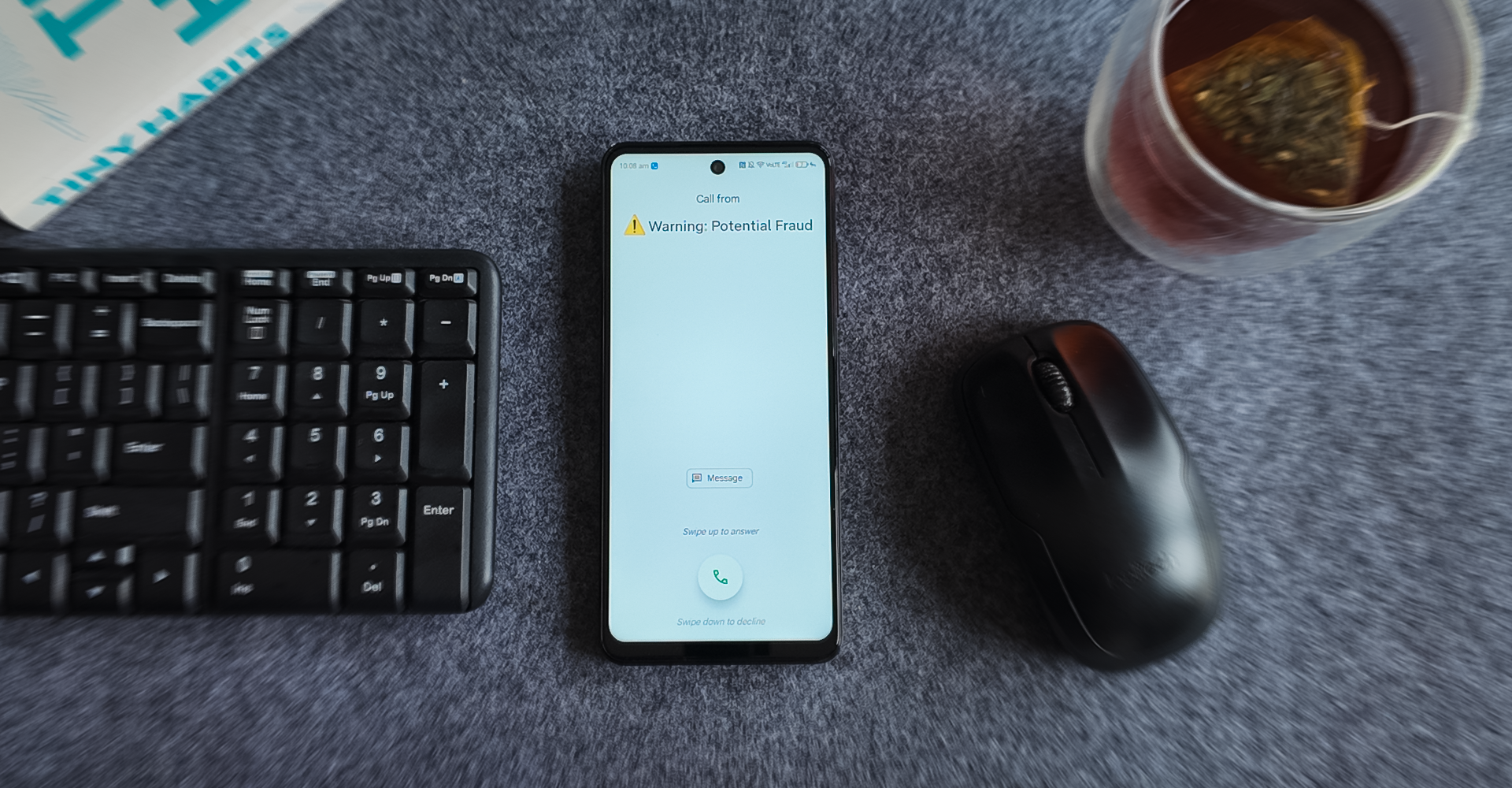
You know the warning signs. You steer clear of the dodgy link, and you let calls from unknown numbers ring out.
But what if the scammer convinces you to call them instead?
That’s the trap at the heart of a growing wave of callback scams. They arrive disguised as more unwanted admin: a suspicious purchase, an unpaid invoice, a failed subscription payment or unusual banking activity.
The message gives you a number to call if something doesn’t look right. And because deciding to make a call can feel like taking control, it seems like the sensible next step.
But if the number came from an unsolicited email or text, or a contact you don’t recognise, you haven’t verified who you’re actually calling.
Callback scams are on the rise. And they’re designed to get around our defences.
Australians have become more familiar with the hallmarks of conventional scams: suspicious links and unknown callers. And since 2020 when we introduced scam call blocking technology (known as NUMBAT), we’ve blocked over 1 billion scam calls.
As we get better at spotting and blocking scams, naturally, scammers look for another way in.
Callback scams turn a familiar safety instinct against us. A message about a suspicious payment, account issue or failed subscription creates urgency, then offers a phone number as the apparent solution.
Why we can be vulnerable
Calling can feel like the quickest way to take control. But because you initiated the contact, the call may not feel unsolicited - making you less likely to question who answers or whether the number is genuine.
According to a recent YouGov survey1, 69% of Australians are confident they could not be tricked into calling a scammer2, yet 85% prefer to speak by phone when dealing with an urgent unexpected charge3 - exactly the instinct callback scams exploit.
And the tactic appears to be on the rise: the survey also found 64% of Australians have received suspected callback scam correspondence4. And our own internal scam-reporting data backs this up: callback scams have increased from about 29% of reported email scams in 2025 to 45% in 2026 so far.

Make the call on your terms
Stay alert and always keep these tips in mind:
Find the number yourself
Don’t reply, click or call from the message. Always check the organisation’s official app or website for contact information.
Check the source
Look for odd email addresses, unfamiliar mobile numbers or missing Sender IDs. If the source does not match the brand, do not trust the message.
Check the claim before trying to fix it
Look at your bank account, subscription or order history before acting on the message.
Keep security codes to yourself
One-time codes are designed to protect your account. A legitimate organisation should not ask you to provide one so it can “secure” or “cancel” something.
Be wary of instructions to move money
A bank or other legitimate organisation will not ask you to transfer funds to a “safe account” or purchase gift cards or cryptocurrency.
If in doubt, hang up
If someone discourages you from ending the call or checking independently, end the conversation.
Report suspected scams
If you suspect a phishing scam, report it to us.
Notes:
1 The YouGov study was conducted online on behalf of Telstra between 7th – 9th September 2026. The sample is comprised of a nationally representative sample of 1,058 Australians aged 18 years and older.
2 Based on 69% of respondents agreeing with the statement “I’m confident I can't be tricked into contacting a scammer by phone.”
3 Based on 85% of respondents agreeing with the statement: “If I needed to urgently address an unexpected invoice or bank charge, I would prefer to speak to a person on the phone to resolve it, rather than email, text or use an online chat bot.”
4 Based on 64% of respondents answering ‘yes’ to ‘Have you received unexpected communication, such as an email, text, voicemail or calendar invite, asking you to call an unfamiliar but official sounding phone number?