If you spend time in Western Australia, one thing becomes clear very quickly: people here are used to thinking on a big scale. Big distances. Big industries. Big ambitions.
Mobile roaming, RAN sharing and why they won’t solve regional connectivity challenges
The ACCC is looking at whether mobile providers should be required to share access to their networks through domestic roaming or RAN sharing. But what are domestic roaming and RAN sharing, what could they mean for customers, and what could make a real difference in regional Australia?
Channa Seneviratne · 24 November 2026 · 6 minute read
Australians are relying on mobile networks more than ever before. And as much as these networks have improved over the years, with more coverage, faster speeds and add-on satellite connectivity, our expectations of these networks are also growing. We all want even more reliable coverage in more places, more capacity when networks are busy, confidence that Triple Zero calls will get through, and services that are affordable. No one wants these things more than people living in regional and remote Australia.
That brings us to the ACCC’s current inquiry into whether mobile network operators should be required to give other mobile network operators access to specified wholesale mobile services. There are two options on the table: domestic mobile roaming and Radio Access Network (RAN) sharing. The ACCC may regulate both, either or neither, and has not yet formed a view.
Both options involve access to another provider’s existing infrastructure, but they work in different ways. Understanding that difference is the first step in judging what either could do for regional communities, and whether there are better alternative solutions.
What’s the difference between mobile roaming and RAN sharing?
Domestic mobile roaming would allow a customer to use another provider’s network when they’re outside their own provider’s coverage area. We’ve previously looked in more detail at some of the common questions and misconceptions about mandated mobile roaming.
RAN sharing is different. The Radio Access Network is the equipment that connects a phone to a mobile network, including antennas, radios and supporting infrastructure such as towers. With RAN sharing, one provider uses another provider’s radio equipment while continuing to use its own core network.
It’s understandable that network sharing might sound appealing, particularly if you are living with poor or unreliable connectivity today. But different connectivity problems have different causes. It’s worth looking at what roaming and RAN sharing could change, and what they would not.
What could roaming and RAN sharing mean for your mobile service in regional Australia?
Which solutions could improve regional connectivity?
None of this means connectivity challenges in regional and remote areas aren’t real.
It means there is unlikely to be one solution that fixes all of them. A black spot on a farm is not the same problem as a congested network in a busy regional town. Both are different again from losing connectivity during a natural disaster.
There are a range of options government and industry can consider, depending on the problem.
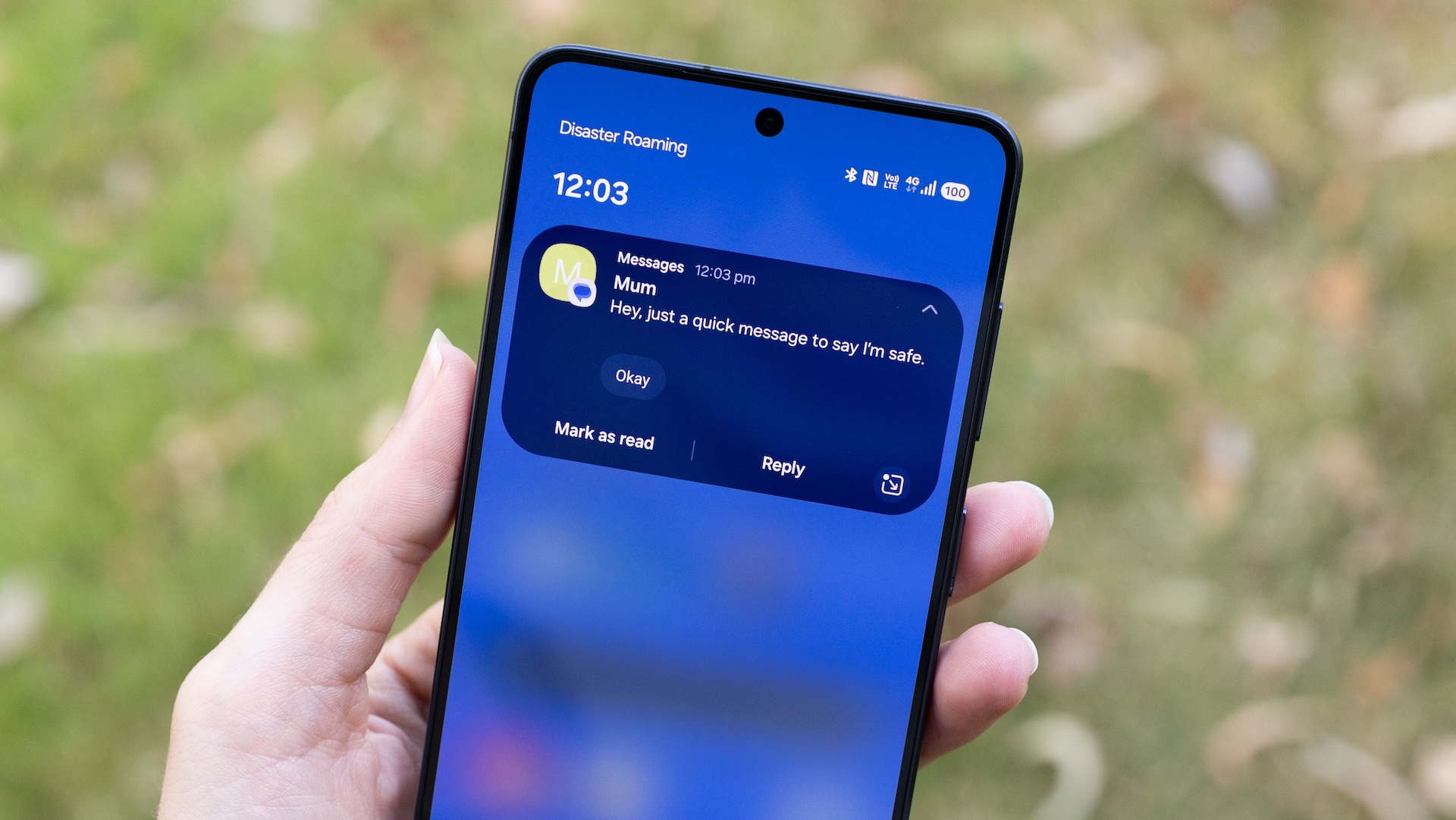
Some of these measures are already underway. Telstra’s satellite messaging launched in 2025 and expanded to Select Satellite Apps in July 2026. Temporary Disaster Roaming launched on 1 October 2026 and can help people in disaster-affected areas connect to another available network for calls, SMS and basic data where it is safe and technically possible to do so.
Government and co-investment programs have also played an important role, helping Telstra deliver or work to deliver more than 2,000 new or upgraded mobile sites since 2015. Future programs will need to evolve too, with more flexible, place-based approaches that reflect the growing cost and complexity of addressing remaining connectivity gaps.
Why the incentive to invest matters
Whatever comes from the inquiry, regional networks will need continued investment.
That’s because networks do not stand still. Mobile data traffic carried over our network has grown more than 13 times since the ACCC’s last mobile inquiry in 2016. Meanwhile communities reasonably expect services to become more reliable and capable over time.
For Telstra, investment includes maintaining and operating existing sites, as well as improving capacity and performance through network upgrades and new technologies like 5G, particularly 5G Standalone, and satellite-to-mobile services. Soon, our focus will turn to 6G and the next generation of satellite technology.
Investment also helps make networks more resilient. In FY26, we upgraded backup power at more than 1,800 network sites. Across our fixed and mobile sites, around 97 per cent of mains-power interruptions that year had no impact on customers because of backup-power investment.
So why does being required to share our network matter to investment?
Investment depends, in part, on there being a return for taking the risk and making that investment. If regulation reduces the value a provider gets from investing in its network, it can also reduce the incentive to make the next investment.
One reason mobile providers invest in their networks is to offer customers something different from their competitors. For Telstra, our unique coverage footprint has long been part of that difference and what our customers value.
The economics of individual regional and remote sites can be challenging – frequently they run at a loss. The investment case does not depend only on the customers using each individual site. It also depends on customers nationally valuing the broader coverage our network provides.
If competitors can gain access to that network differentiation without making the same investment, the value of coverage differentiation is eliminated. That will instantly change the business case for making new investments, particularly in regional and remote areas where investment is already more challenging.
That is a risk that needs to be weighed carefully: opening access to existing networks today would reduce the incentive to improve those networks tomorrow. In regional and remote areas, where the economics of investment can already be challenging, that really matters. It is also the central reason the ACCC rejected mobile roaming when it last considered it in 2017.
What should the ACCC consider?
There are understandable reasons why roaming or RAN sharing might appeal to people who want more from their mobile service today.
There are also trade-offs, and costs, that deserve careful consideration. That is why an evidence-based inquiry is important.
We think the best outcome will come from being clear about the problems we are trying to solve, understanding what each option can and cannot do, and looking at the full range of technologies, investment and policy settings available.
There is more work to do to improve regional connectivity, including on our own network.
Getting the policy settings right matters because regional and remote areas will continue to need investment to improve resilience and customer experience, and bring next-generation services to Australians living in these communities. The decisions we make now will help determine whether the incentives remain for continued investment as technology evolves.
By Channa Seneviratne
-
-
Temporary Disaster Roaming (TDR) arrives from 1 October. Here's how it works, when we can and can’t turn it on, and how it fits with the backup power, satellites and payphones we lean on when severe weather hits.
-
For those living in some of Australia's most remote locations, a reliable home phone remains an essential link to family, services and support. We're helping customers transition from ageing USO satellite voice services to modern connectivity solutions.