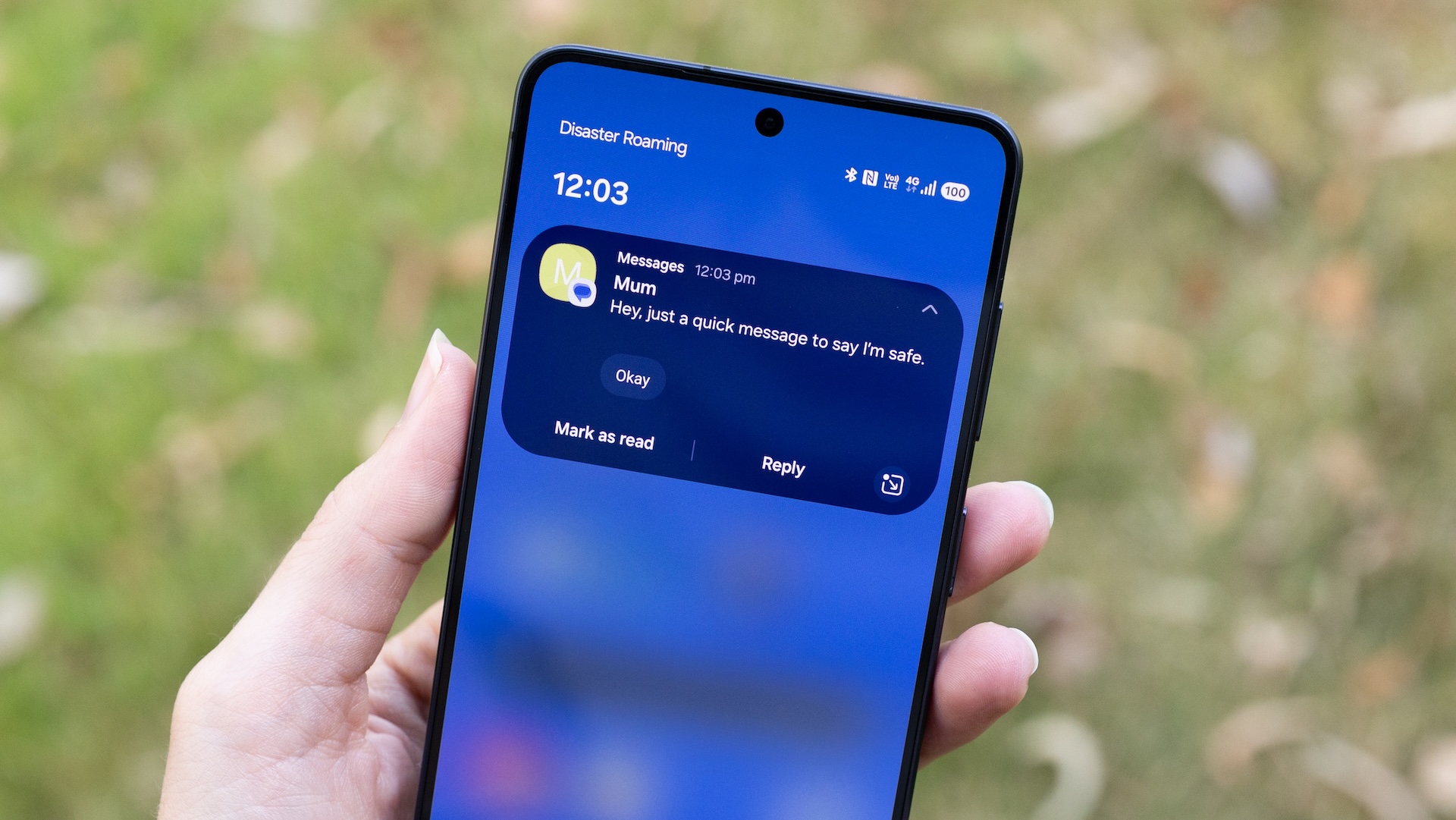
From today, if your mobile network is affected during an extreme weather event, such as a bushfire, flood or cyclone, your phone may be able to connect to another participating carrier's mobile network, where available, to help you make essential calls and texts. If Telstra is the only network operating in the affected area, Optus and TPG customers may also be able to connect through our network where safe to do so. This new capability is called Temporary Disaster Roaming, and it's ready in time for this disaster season.
TDR is the newest piece of a much bigger effort to help support connectivity when severe weather hits. Here's how this new network capability fits with everything else we do from backup power on our towers to satellites, payphones, and how we get connections back online after disaster strikes.
It’s also worth noting that TDR is different to Triple Zero calling. Australians can already call Triple Zero from any available mobile network if their own network isn’t available. This existing functionality, known as “camp-on”, is built into mobile phones and works independently of TDR.
Temporary Disaster Roaming at a glance
What it is: A capability that, when turned on and available in the affected area, can connect your phone to another carrier's mobile network during a natural disaster when that network is down. It’s designed to help customers stay connected, with access to essential calls, texts and basic data where possible.
There's no extra cost.
It’s important to note we will only switch on TDR in situations where it can be done safely and without affecting emergency communications.
When it can help: TDR may be activated in regional and rural disaster areas where either another participating network - Telstra, Optus or TPG - is still available, or where Telstra is the only network covering the area. In that case, Optus and TPG customers may be able to connect through our mobile network.1
What are its limitations?
TDR may not be available in all circumstances, including:
- metropolitan areas, since it's intended for use in regional and rural areas only affected by eligible disasters
- when a power outage has occurred and there is no safe access to a generator, or where damage has taken down all networks nearby
- on older handsets, since you need one that supports VoLTE roaming. This typically includes Telstra-launched handsets from 2022 onwards.
- For non-smartphone connected devices, including medical alarms, EFTPOS terminals or other connected devices, as TDR is intended for compatible smartphones only.
Getting the network ready before a disaster
Most of our network resilience work happens long before a warning is issued. Our network monitoring systems capture around 100 terabytes of network data every day, which helps us find weak points and strengthen sites. We harden cables against fire and flood, keep batteries and generators fit for purpose, and when we can see a cyclone forming out to sea, we sandbag at-risk exchanges and move temporary generators into position so they're ready to go.
Power is the hard part. An ACMA review of the Black Summer bushfires found close to 90 per cent of network outages came from a loss of mains power, not damage to towers.
That's why we've boosted battery backup at hundreds of regional mobile sites, extending their reserves from three hours to as much as 12 hours.
What is Temporary Disaster Roaming?
Temporary Disaster Roaming is a new emergency capability, built through close industry collaboration that may allow your mobile phone to connect to another available participating mobile network during a natural disaster, when your own mobile network isn't working. Where it's available, it may be able to help you make calls, send and receive texts, and access basic data , at no extra cost.
When is Temporary Disaster Roaming Available?
TDR will only be switched on in specific circumstances, including when it can be done safely, and only where another participating network is still running and can carry the extra demand while still maintaining access to Triple Zero services.
It may work in regional and rural areas either with overlapping coverage from multiple providers, or in areas where there is only Telstra coverage.
Activations will typically run for around 24 hours at a time.
If a prolonged power outage takes down every network in an area, TDR can't help, which is one reason it sits alongside, rather than replaces, everything else we do to support network resilience.
In most cases, you won’t need to change any settings to access TDR. But you may notice the network name on your phone changes to something like “Disaster Roaming” or the name of the alternate carrier, such as “Optus” or “Telstra”.
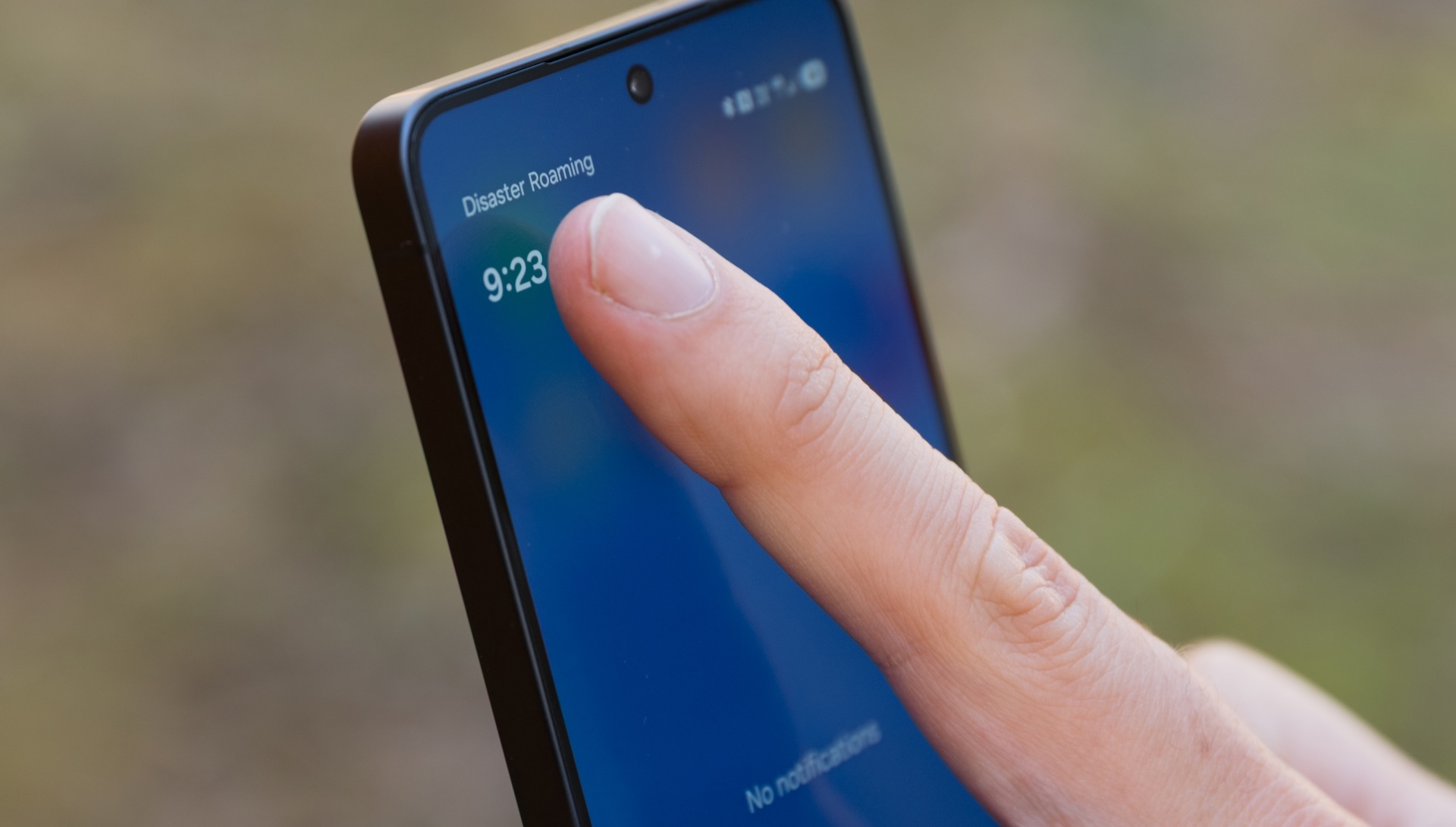
And finally, in order to be eligible for TDR, your device needs to support what's called VoLTE roaming, which covers Telstra handsets launched from 2022 onwards.
How is disaster roaming different from Satellite Messaging?
They’re designed for different situations. Telstra Satellite Messaging is for when you're beyond our mobile network, perhaps travelling through or spending time in a remote area. With a compatible handset and eligible Upfront Mobile Plan, Satellite Messaging uses a satellite connection to send and receive texts when you're outdoors with a clear view of the sky. It's included at no extra cost, it's text only, and it isn't an emergency service.
Powered by the same satellite service — with Select Satellite Apps — eligible customers on the right plan and a compatible phone can now use a small set of low-bandwidth apps over satellite too, when they're out of mobile range and outside with a clear view of the sky.
You can use Google Maps and AllTrails for working out where you are and where to go, weather apps like AccuWeather for tracking what's coming, and messaging apps like WhatsApp and Signal for checking in. It won't stream video or load a full website, and like Satellite Messaging it isn't an emergency service, so you still can't reach Triple Zero over satellite.
One thing worth doing before disaster season: make sure any apps you might use or want are installed, updated and logged in, because you can't download them once you're off the grid.
TDR is for a different situation. You're in a disaster area, your network is unavailable, but another carrier's network is still available. One capability helps when there's no mobile network at all. The other may help when your network is unavailable but another mobile network is.
Do I need disaster roaming to call Triple Zero?
Calling Triple Zero has never depended on TDR. If you can't reach it through your own provider, your phone automatically connects to any available network to make the call, a functionality that's already built into mobile phones today.
How else can I stay in touch during a disaster
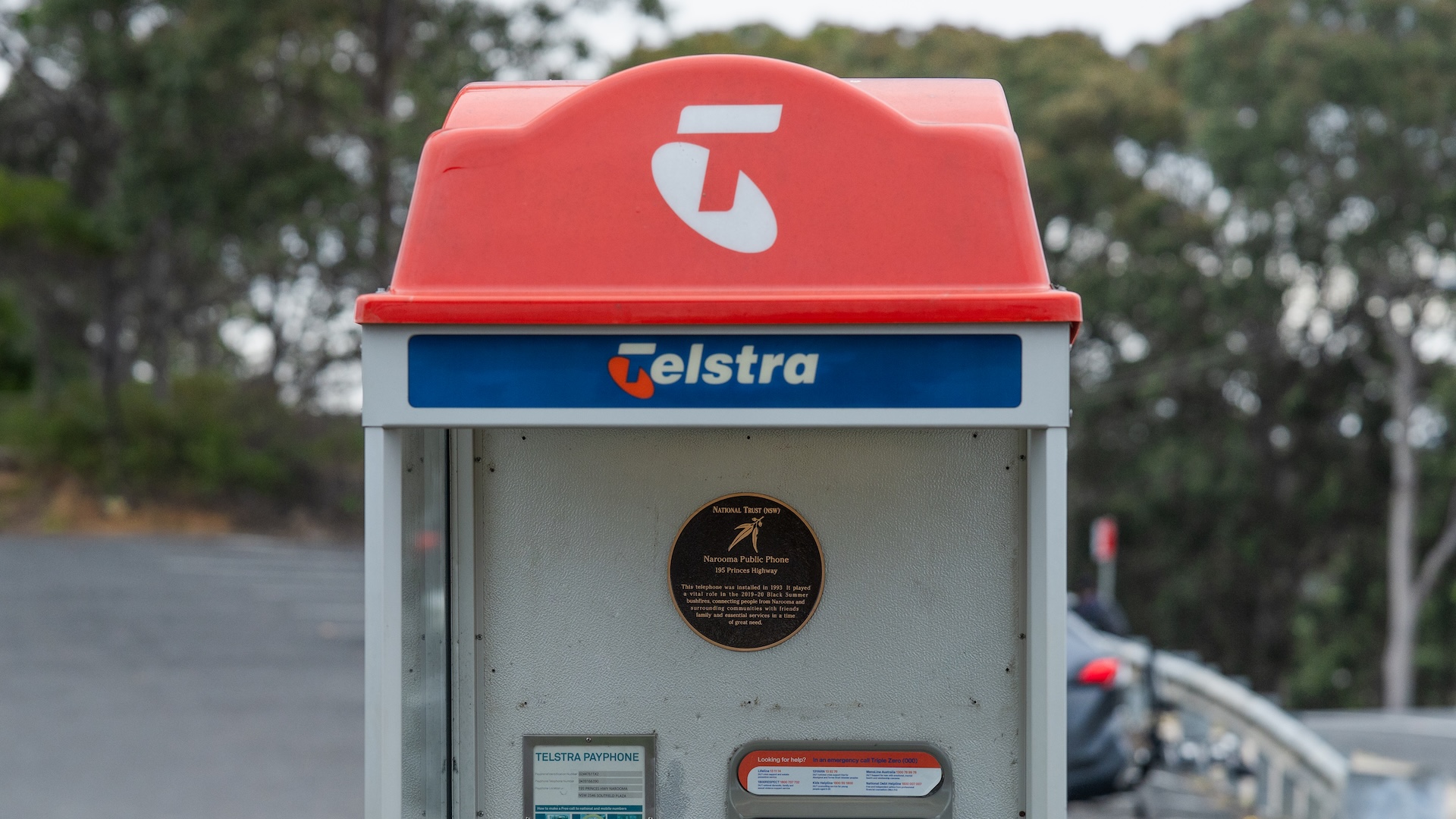
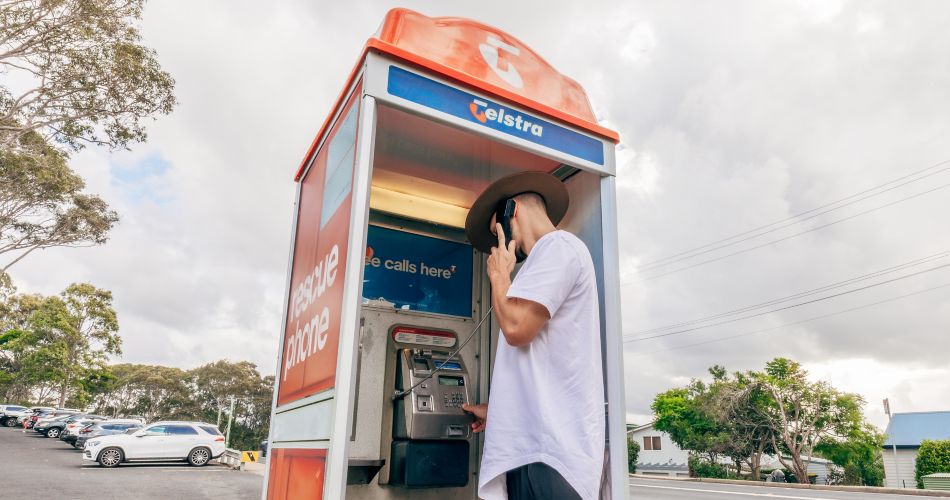
Payphones can be another lifeline. Calls from them have been free since August 2021, and they now carry more than 25 million calls a year, including more than a million calls to emergency services over the past five years. More than 4,000 offer free Wi-Fi, and we've upgraded 1,000 in disaster-prone areas with extended battery backup so they keep working when the power around them doesn't.
How we restore coverage back on the ground
When a disaster damages the network itself, putting it back together is a physical job. As soon as it's safe, our field teams move in to deliver backup generators and batteries, install temporary mobile units known as cells on wheels to stand in for damaged towers, and repair what they can.
How hard the job gets depends on the disaster. When floods hit northern New South Wales and southern Queensland in 2022, the water kept rising for days. Exchanges went under, roadside cabinets flooded, and in some places whole towers were lost as landslips washed away stretches of fibre and copper. With roads cut, our crews worked alongside the NSW Telco Authority and the State Emergency Service to get in, and at one point a team member hitched a ride on a helicopter to establish from the air which equipment was still standing.
After the Black Summer bushfires, our teams brought the number of impacted sites in one affected area from 60 down to 15 within a week, and the hardest sites took weeks longer.
More ways we can help during a disaster
We’ve also made it easier for customers affected by natural disasters to receive a little help through our disaster assistance measures.
Our customers on our monthly mobile plans will automatically receive 100GB of extra data on their service if they’re in an affected area. Our pre-paid customers are eligible for 70GB of extra data too.
Our trained disaster assistance agents are available to take calls and provide support. You can reach them on 1800 888 888.
Where we go from here
TDR is an important milestone, but it isn't the finish line. This is the first disaster season we'll have it available, and we expect to learn from how it performs if it is activated in real-world disaster situations. We'll keep refining it, keep strengthening the network and systems that support it, and keep sharing what we learn.
Things you need to know
When TDR can’t be turned on: The decision to turn on TDR isn’t automatic. Before we switch it on, the supporting network must assess whether it can safely support additional traffic while continuing to protect critical services like Triple Zero.
Access in metro areas: Metropolitan areas are excluded, and there are limits on how many locations can have TDR activated at the same time, and how close those locations can be to one another.