
How Satellite Messaging can help empower Australian business, government and enterprises operating in rural and remote areas.
Why connectivity is critical to mining and its future
Mining leaders explore how secure, resilient connectivity can support safer, more productive operations as automation, AI and data demands reshape the sector.
Warren Jennings · 25 November 2026 · 2 minute read
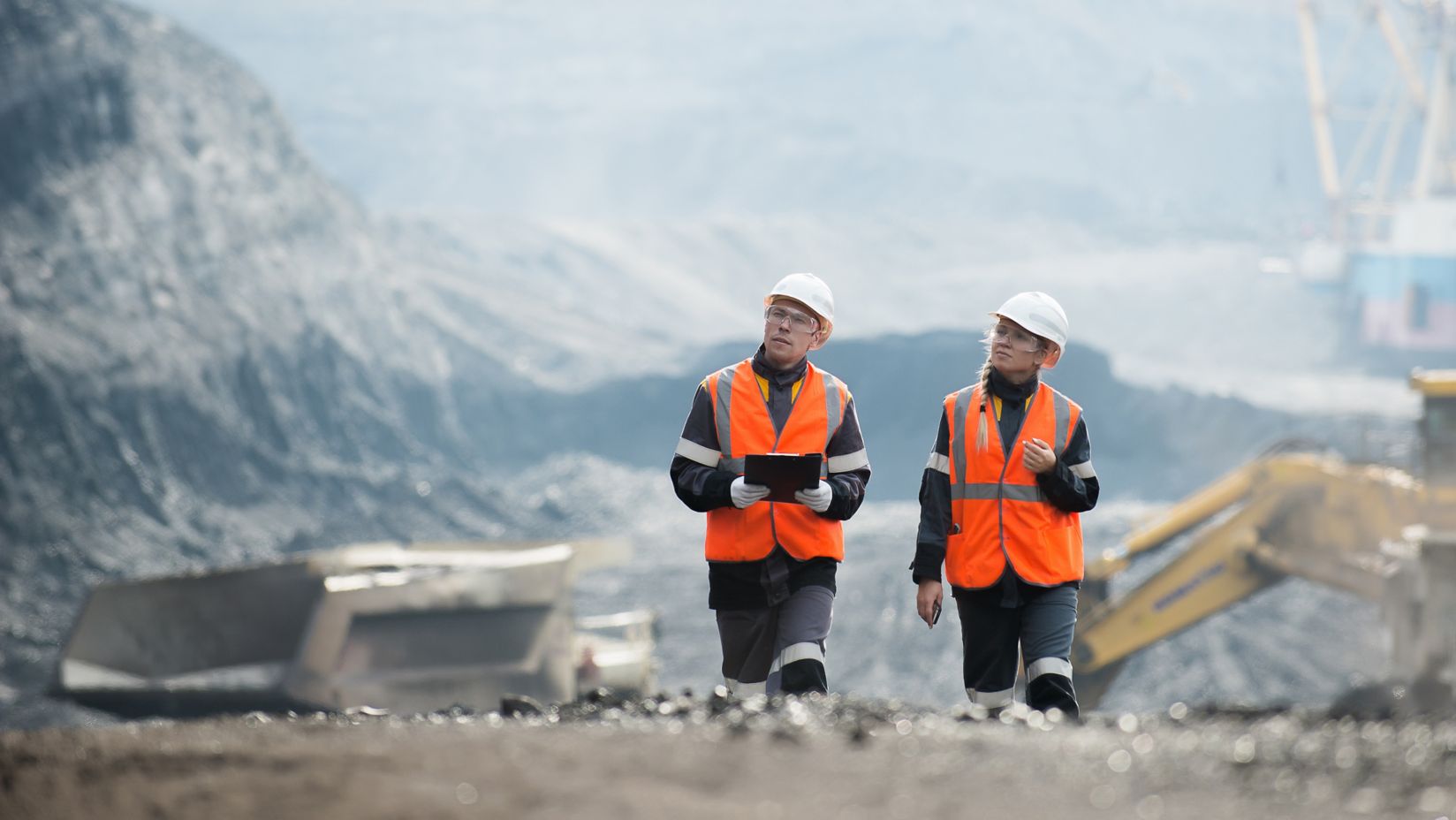
Connectivity has never been more critical to the mining industry and its future. Modern mining operations rely heavily on connectivity, between often remote sites and operation centres. That connectivity needs to support highly data-intensive mining operations and the processing of critical minerals, such as rare earths. It also needs to keep people safe and secure, while supporting automation. With a very low tolerance for operational outages, where minutes of downtime can mean millions of dollars lost, most importantly, that connectivity needs to be secure, reliable and resilient.
To discuss the challenges and opportunities facing the sector and how the connectivity needs of the industry are changing, Telstra invited senior representatives from some of Australia’s largest mining organisations, including Fortescue, Rio Tinto and Hancock Iron Ore, to join senior experts from Telstra at an executive roundtable. The roundtable explored how connectivity can support productivity, safety and connected technology as the industry continues to evolve.
The roundtable was hosted by Australian Mining in Perth on 21 October. The discussion centred on how reliable, secure connectivity is critical to mining and its people, processes and operations.
As the mining industry expands, its use of automation, remote operations, real-time monitoring and network performance are increasingly critical requirements. Applications such as predictive maintenance, connected worker systems and integrated pit-to-port logistics depend on information being available when and where it’s needed most and artificial intelligence (AI) is only adding to that demand.
Key takeaways from the roundtable
The roundtable looked at the challenge of turning technology into measurable operational value with a focus on balancing the need for innovation with operational stability and with industry regulation. Attendees highlighted a need for mining businesses to test and learn new technologies, in some cases before they launch to market.
The discussion also recognised connectivity as a key driver in productivity, asset utilisation and safety, as well as the high levels of operational resilience the industry demands. However, it recognised the benefits of connectivity depend on how effectively systems are integrated into daily operations. Workforce skills, governance, funding and collaboration between mining organisations and technology partners were also important considerations.
Practical barriers to growing connectivity capability were explored, including legacy systems, technology integration, resource limitations, lack of expertise and concerns about the cost of investment. Mining assets operate across long lifecycles, often 30 years or more, which means connectivity strategies need to adapt to changing requirements as projects move from exploration to development and into production.
Further insights
These takeaways echo findings of an upcoming research report, commissioned by Telstra, in partnership with Oxford Economics, that will be launched in February 2027. The report reveals key opportunities and challenges for the mining sector. Let's explore some of those in more detail.
The adoption of AI by mining organisations increased by more than 16% between 2022-2025. Similarly, more than 90% of mining enterprises said connectivity has become more important to their operations over the past five years. 84% said they were very likely or certain to increase connectivity investment over the next two years.
Organisations with strong connectivity also reported stronger financial returns than those without. The research suggested improved connectivity could lift revenue for the average large mining enterprise by approximately $77 million by 2035 under a practical improvement pathway. On a broader level, increased connectivity across the wider industry could contribute almost $9 billion to Australia’s gross domestic product by 2035. While these estimates are scenario-based, they illustrate the potential scale of the connectivity opportunity.
Looking to the future
Takeaways and insights from both the roundtable and the upcoming research report clearly indicate that connectivity is critical to mining and its future. The organisations that are best positioned to capture these new opportunities see connectivity as a strategic capability. The challenge for the industry will be to align network performance with business priorities, while developing the skills, partnerships and systems that are needed to translate that capability into safer, more productive operations.
Related articles
-
-
How you manage data will make or break the execution of your ESG strategy. To keep pace with demanding reporting requirements, you need to capture and analyse data in a fast, accurate and repeatable manner.
-
When video calling and screen sharing are essential to getting the work done, Telstra Dynamic 5G for Video Calling is designed to help give businesses an improved video calling experience in locations where standard fixed connectivity may not be available.