AI-enabled innovation can transform how you work
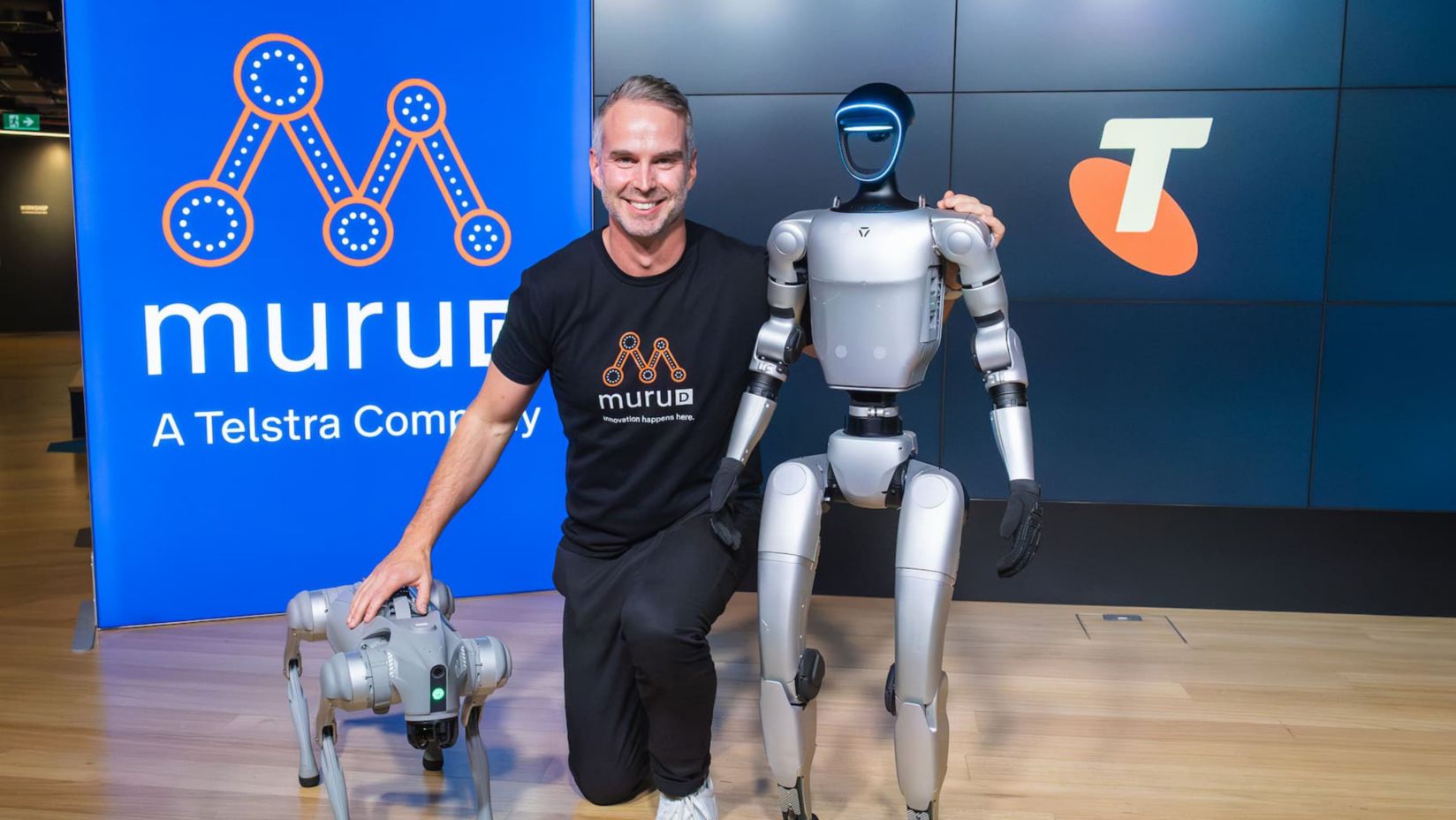
As the head of muru-D, I spend my days at the forefront of tech innovation. I've seen firsthand how creative minds take new technologies and transform their ideas into a thriving business. And right now, nothing offers more opportunity than Artificial Intelligence (AI).
If you’ve been exploring ways to use AI in your business, chances are you’ve started with the basics, looking at simple ways AI can help boost your productivity. This might include automating admin, generating marketing content, or helping manage your inbox. These everyday efficiencies are powerful. But they’re just the beginning.
As AI tools become more accessible, I see small businesses starting to use them in bigger, bolder ways. They’re not just doing the same things faster. They’re reinventing how they operate or creating new products and services entirely.
Level-up your AI game
Whether you’re a sole trader, startup, or family-run business, AI offers possibilities for you. Here are three real-world examples of how small businesses can innovate using AI.
1. Build a prototype app in a day with no-code tools
What is no-code development?
No-code development means building digital tools without needing to write code. No code platforms use visual interfaces and AI-powered support to help users design their own software. You can create web apps, websites or online dashboards quickly and simply. And you don’t need to know any code or software development techniques.
Why it matters for small businesses
In the past, building custom software required hiring developers and months of work. Today, a small business owner with a good idea can go from concept to working prototype in just hours.
Using a combination of generative AI for research and ideation and no-code platforms, even non-technical people can bring a new tool to life.
Let’s take a solar energy business as an example. They’ve identified that customers are not clear on the costs and benefits of solar installations. They want to build a quoting tool to make it easier for customers to understand the price of a project. The team starts in the morning by using AI-enabled search to research the market and get the data they need for a tool. Then they use AI to map out requirements and logic by midday. And by the end of day, they could feasibly have a prototype quoting platform ready to test.
This kind of rapid iteration and testing can help you:
- save on upfront development costs
- test new ideas without major investment
- get real feedback faster
- get your product or idea to market faster.
2. Use API integration to automate marketing and fulfilment
Automating aspects of your marketing and fulfilment processes can help you unlock new efficiencies in how your business operates. APIs can help you do this.
What is an API?
API stands for Application Programming Interface. It’s a way for different systems or software to connect and share data securely.
In practice, APIs can help small businesses access powerful services like maps, payment systems, marketing tools or even postal network data. Because APIs are connectors, you don’t have to build those services from scratch to serve your needs.
Why it matters for small businesses
Imagine a local plumbing business that wants to run a targeted marketing campaign.
Using AI and public APIs, they can:
- use generative AI tools to research the most common local plumbing issues
- tap into the Australia Post API to identify addresses that match the right demographics
- create personalised mail and email campaigns using genAI-powered tools
- generate video messages with AI voiceover to stand out
- automate the whole process from campaign creation to delivery.
Tools to enable these functions are available today. Together they enable small businesses to punch above their weight by using the same data-driven strategies as much larger companies.
3. Run an end-to-end property business with AI-driven operations
AI offers the potential to transform many aspects of how you get the job done in day-to-day business operations. Let’s explore the example of a property management business.
What are AI-driven operations?
AI-enabled operations use smart software and automation to perform tasks across your business for you. You can apply these tools to everything from communications to logistics.
Why it matters for small businesses
Take the example of a property manager who handles several short-stay rentals.
With the right tools, they can automate:
- guest communication using AI chatbots
- door access with integrated smart locks that assign unique entry codes
- cleaner scheduling triggered automatically after each booking
- customer feedback collection and responses
- calendar syncing across online booking services and more.
The result? An enhanced and responsive guest experience with minimal manual effort. It’s scalable, affordable and accessible, even for part-time hosts.
Small business innovation can be transformative
AI-powered connected tools don’t just help you save time; they give small businesses the power to rethink what’s possible. They can help you turn your idea into a new product, connect to new customers, or completely streamline key business processes.
How to start exploring AI in your business
Feeling inspired but not sure where to start?
Here are a few ideas:
- Identify friction points in your day-to-day operations, like where you lose time, effort or money.
- Try out one of the many tools you may already be using for collaboration or marketing, or industry-specific CRMs with built-in AI.
- Explore no-code platforms if you have a product idea to prototype.
- Stay curious, follow business AI topics and leaders on social media and speak with your trusted technology suppliers.
Explore more ideas and tips to help you on your journey with AI.
By Ben Green, Head of Muru-D
Ben Green leads muru-D, Telstra's hub for incubating ideas, products, and technologies. As Head of muru-D, Ben is responsible for accelerating Telstra’s portfolio of invested start-ups and exploring big ideas with tech hyper-scalers.