If you spend time in Western Australia, one thing becomes clear very quickly: people here are used to thinking on a big scale. Big distances. Big industries. Big ambitions.
Why we need a National Spectrum Strategy
A national spectrum strategy would ensure we keep up with growing demand, unlock new technologies like 6G and satellite-to-mobile, and deliver better service for everyone, no matter where they live.
Shailin Sehgal · 07 November 2025 · 3 minute read
As Australian reliance on connected technologies grows, the pressure on scarce spectrum intensifies. With smart planning and investment, efficient use of spectrum could increase Australia’s productivity, drive innovation, and support digital inclusion.
One of the most exciting frontiers is satellite-to-mobile connectivity, which promises coverage in places traditional networks can’t reach. Looking ahead, 6G will also unlock transformative capabilities - from immersive virtual experiences to real-time automation across industries.
But to make these possibilities real, operators need access to additional spectrum – at the right time, affordably, and with certainty.
Why we need a National Spectrum Strategy
What Australia needs now is a smarter, future-ready spectrum strategy - one that moves beyond short-term planning and lays the foundation for long-term national growth.
A coordinated strategy would set the vision and priorities for spectrum use that ensures spectrum is allocated efficiently and fairly, with productivity, innovation, and inclusion at its core. It would give industry the certainty to invest in next-generation infrastructure, unlock emerging technologies, and keep pace with the demands of a rapidly evolving digital economy.
Isn’t there already a federal spectrum strategy?
The ACMA’s Five-Year Spectrum Outlook is a good start. To lift it to the next level, and to take into account the accelerating rate of technological change, a National Spectrum Strategy is required to provide the vision and focus for the direction Australia needs to take.
For example, it could provide the vision Australia needs for broadcast media, which currently occupies low band spectrum to move to more efficient transmission technology, leading to more TV channels and higher quality video for broadcasting. This shift would not only free up spectrum for other critical uses but also enable more TV channels and higher-quality formats like 4K/UHD.
This could create a win-win situation for both broadcast media and future mobile services like 6G - it simply needs the vision to kick-start it. Certainty of supply of spectrum and the time frames for supply will enable Australia to continue to be a global leader in connectivity, innovation, and resilience.
Connectivity has evolved from a convenience to a critical enabler of modern life driving inclusion, unlocking opportunity, and strengthening communities across the country. Mobile communications will always be essential, and emerging technologies will only deepen our reliance on fast, reliable, and secure networks.
That’s why our spectrum policy must evolve too.
Let’s build a strategy that reflects the future we want to head toward - one where every Australian is connected, empowered, and ready to thrive.
By Shailin Sehgal
-
-
We welcome the ACCC's Mobile Services Inquiry and the focus it brings to improving connectivity for regional Australians. Better coverage, stronger resilience and more reliable connectivity are goals we all share. Mandated mobile roaming is one proposal under consideration, and as the discussion continues, it's important to separate fact from fiction about what it would mean for customers and communities.
-
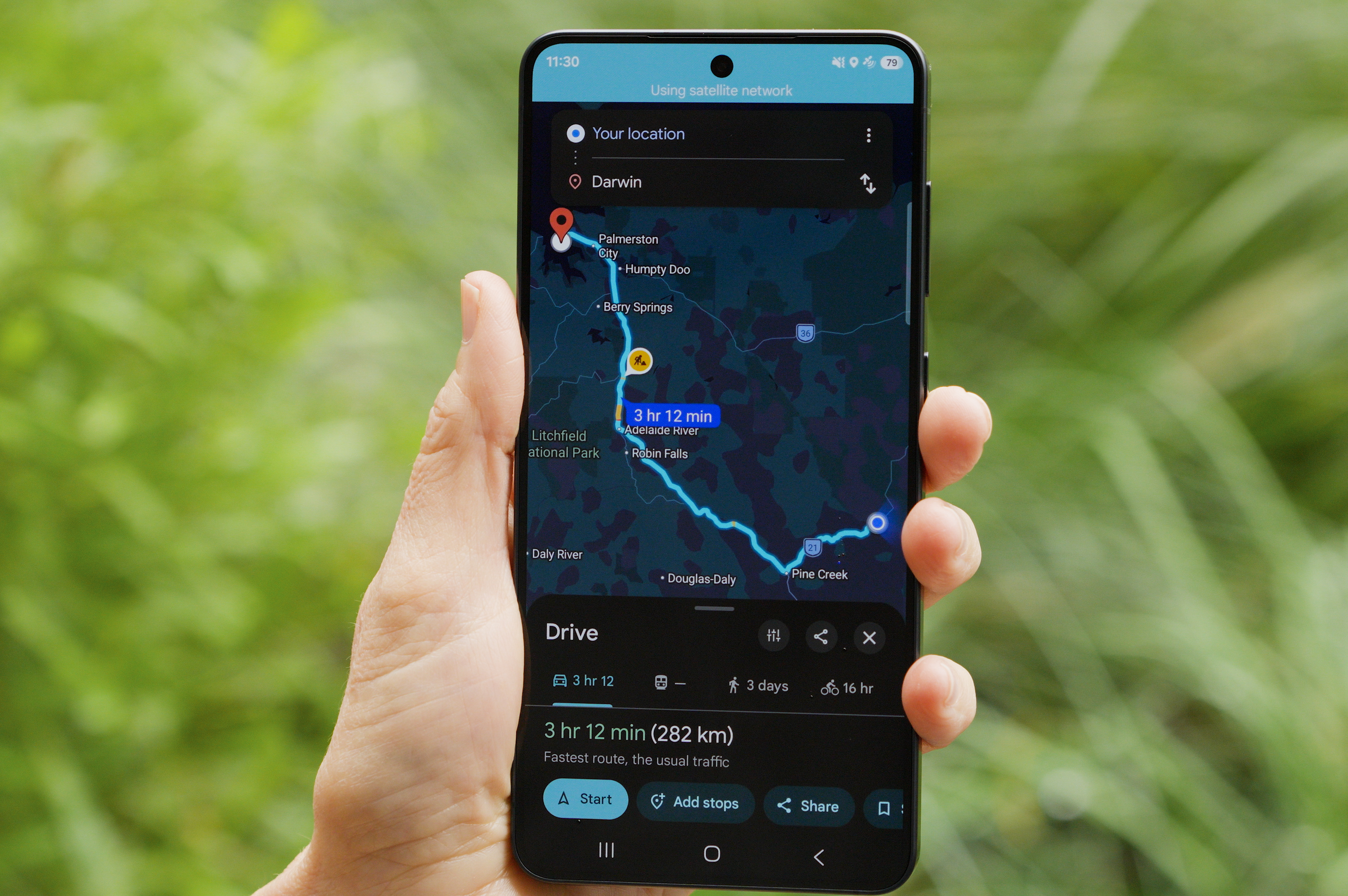
Telstra is among the first telcos globally to expand satellite to mobile services beyond text messaging. Eligible Telstra customers can now use a compatible device to access select apps like Apple Weather, Google Maps and Google Weather and WhatsApp in more places across the country.