If you spend time in Western Australia, one thing becomes clear very quickly: people here are used to thinking on a big scale. Big distances. Big industries. Big ambitions.
Spectrum renewal vs auction: which is better for Australia?
Renewing spectrum licences helps telcos deliver faster, more reliable service without delays or extra costs. Auctions may sound competitive, but they don’t necessarily lead to higher prices and they do risk slowing down upgrades and increasing prices for consumers.
Shailin Sehgal · 07 November 2025 · 3 minute read
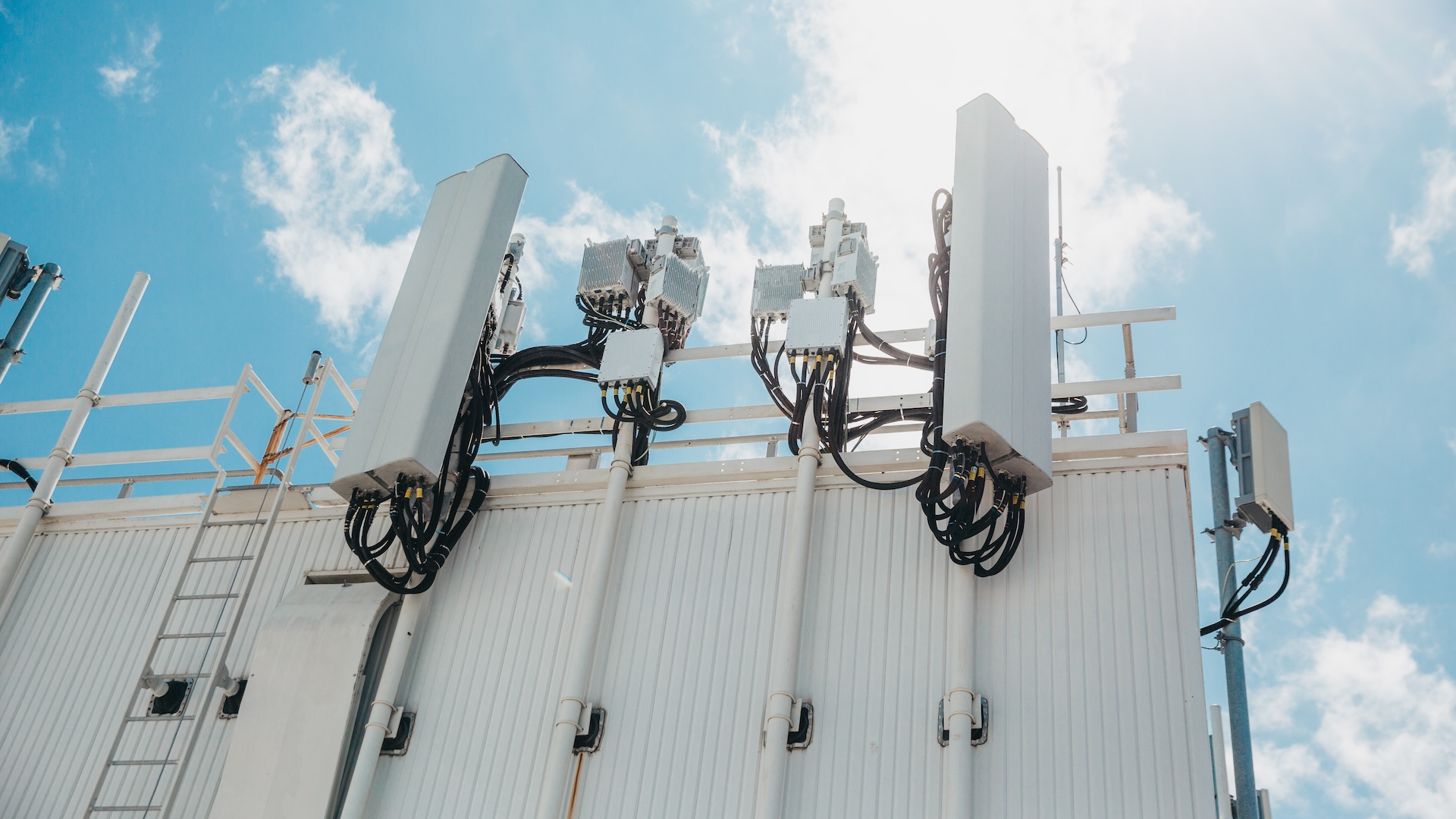
Spectrum - the invisible infrastructure that powers mobile connectivity - is licensed to telcos (at a band level) by the government for around 20 years. Between 2028 and 2032, more than 80% of existing licences are due for renewal, marking a pivotal moment for Australia’s digital future.
As we approach this juncture, the debate between spectrum renewal and auctions is heating up.
What renewing current spectrum means
Renewing existing spectrum - frequencies already in use by mobile operators - ensures continuity, stability, and long-term investment in existing networks. Re-auctioning spectrum risks new frequency allocations within each band, creating uncertainty and delaying network upgrades ahead of the auction, as mobile operators do not know which spectrum they will have in the future.
It would be like starting to build an extension on your house when the architect hasn’t finished the plans - and worse, if we don’t get access to the same parts of the band, it’s like discovering halfway through construction that you need to replace the plumbing and reroute the wiring. MNOs would be forced to invest in reconfigurations just to ensure the radios operate in the correct part of the band. Because this needs to be done in a coordinated way across the country, it would involve taking towers offline for upgrades, potentially leaving communities without coverage during that time.There are also risks associated with the networks interfering with each other’s mobile signals as we reconfigure our networks to different bands.
Holding auctions for future spectrum opportunities
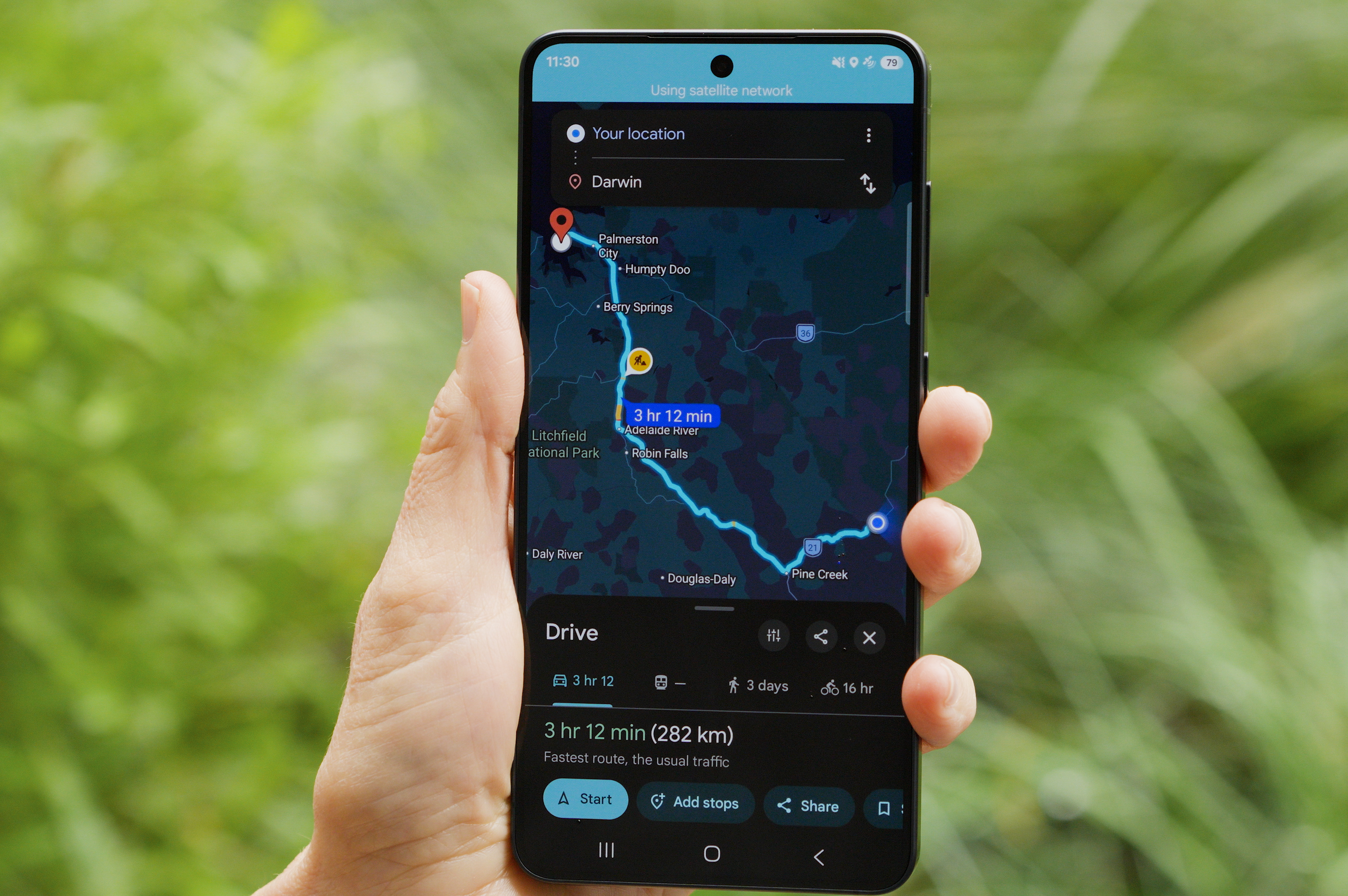
New spectrum auctions are just as critical, for example mid-band 2 GHz spectrum, which is becoming essential for emerging technologies like satellite-to-mobile connectivity. This band offers the right balance of coverage and capacity and employed via satellite can extend connectivity to mobile devices in areas traditional mobile networks can’t reach.
Yet under the proposed ACMA auction eligibility rules, telcos aren’t allowed to bid for this spectrum.
That opens the door for international satellite providers to acquire it entirely, potentially locking out Australian operators and leaving Australia without a satellite service if the satellite operators decide to cease providing a service in Australia.
To unlock the full potential of both terrestrial and satellite networks, we need a fair, forward-looking spectrum strategy - one that gives telcos the right to compete, invest, and innovate across all bands.
Spectrum certainty isn’t just about access; it’s about enabling the future of connectivity for every Australian.
FAQ
Telstra can afford the spectrum, why do you want to pay less for it?
We’re not asking to pay less - we’re asking for the government and regulators to consider how to get the best outcome for Australia.
We believe that means telcos paying fair prices for spectrum while also having the money to invest in the digital infrastructure like mobile towers and fibre connections that make connectivity a reality.
Telcos should pay a price for spectrum that’s aligned with global benchmarks and reflects its long-term value.
According to ACMA’s Mobile Spectrum Report (MSR) index, the value of mobile spectrum in Australia has dropped by 39% over the past seven years. Globally, some spectrum bands have seen even steeper declines—falling by as much as 55% in value during the same period.
Given this trend, and to avoid Australia being out-of-step with our global peers, we’re proposing a pricing methodology that reflects both the current market value and the expected future value at the time current licences expire.
When spectrum costs are inflated, it limits our ability to invest in the infrastructure and innovation that drive better connectivity for Australians. In some cases, operators may be unable to afford renewing their entire spectrum portfolio, putting essential services - especially in regional and remote communities - at risk. By contrast, if prices are set at sustainable levels, no one loses. Operators can continue delivering reliable services, communities stay connected, and the broader economy benefits from ongoing investment in future-focused technologies
Ultimately, higher spectrum costs don’t just affect industry - they drive up the cost of mobile services and slow progress where it’s needed most.
By Shailin Sehgal
-
-
We welcome the ACCC's Mobile Services Inquiry and the focus it brings to improving connectivity for regional Australians. Better coverage, stronger resilience and more reliable connectivity are goals we all share. Mandated mobile roaming is one proposal under consideration, and as the discussion continues, it's important to separate fact from fiction about what it would mean for customers and communities.
-
Telstra is among the first telcos globally to expand satellite to mobile services beyond text messaging. Eligible Telstra customers can now use a compatible device to access select apps like Apple Weather, Google Maps and Google Weather and WhatsApp in more places across the country.